
Artificial Sources of Vitamins and Proteins
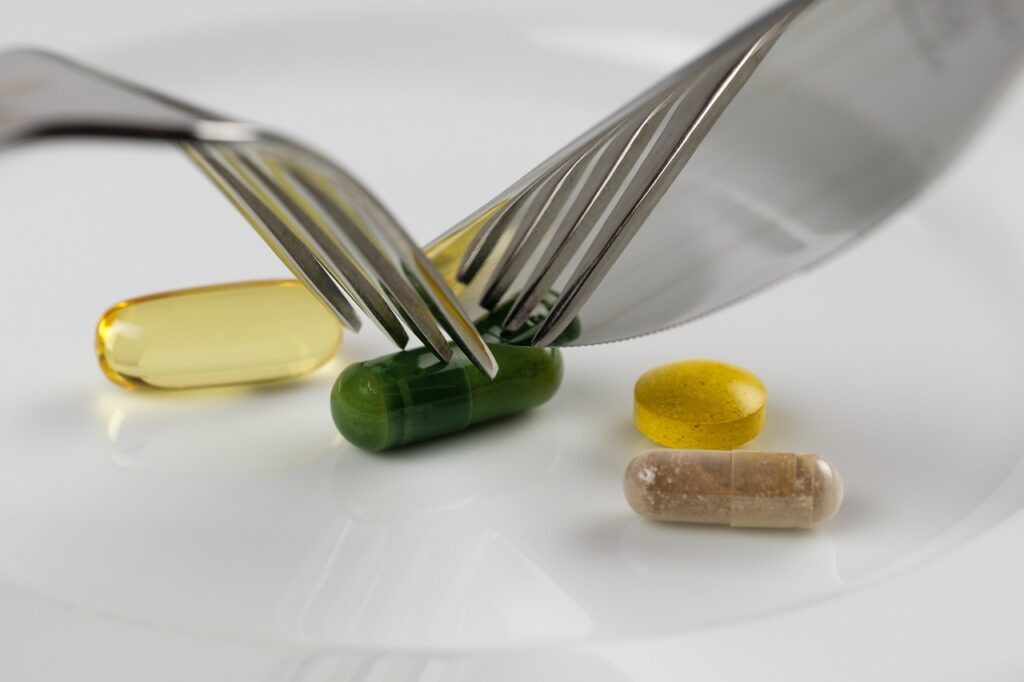
Synthetic vitamins are made in laboratories and are designed to replicate the chemical structure of vitamins that are found in food. They are often used to correct deficiencies, boost immune health, or support overall well-being.

Artificial sources of vitamins and proteins can help meet nutritional needs, especially in situations where deficiencies exist or specific health goals need to be achieved (e.g., muscle growth, immune support). While they offer convenience and specific benefits, they should not replace whole foods in the diet, as whole foods provide a broader array of nutrients that contribute to overall health. It is important to consult with a healthcare provider before beginning any supplement regimen, especially for those with pre-existing conditions or specific health concerns.
Benefits of Artificial Vitamins and Proteins
Convenience: Supplements and fortified foods provide a quick and easy way to ensure you’re meeting your nutritional needs, especially if you have dietary restrictions or health conditions that prevent proper nutrient intake.
Addressing Deficiencies: Artificial vitamins and proteins are useful for people who may have specific deficiencies (e.g., vitamin D, B12, protein deficiencies) or who need additional nutrients due to illness or dietary restrictions.
Sports and Performance: Protein supplements, particularly from sources like whey, soy, and pea protein, are frequently used by athletes to support muscle repair, growth, and recovery.
Potential Risks and Considerations
Overconsumption: Taking large amounts of synthetic vitamins or protein supplements can lead to toxicity or imbalances. For example, excess vitamin A can be toxic, and excessive protein intake can strain the kidneys.
Lack of Other Nutrients: Whole foods provide a wide array of nutrients that work synergistically. Relying too heavily on synthetic sources might result in nutrient imbalances or the neglect of other beneficial compounds like antioxidants, fiber, and phytochemicals.
Quality Control: Not all supplements are regulated equally, so it’s important to choose high-quality brands to avoid contamination or inaccurate labeling.
Protein from Recombinant Technology
Lab-Grown Proteins (e.g., Recombinant Protein Expression): Using biotechnology, specific proteins can be produced in microorganisms (like bacteria, yeast, or fungi) by inserting the gene of interest into their DNA. These microorganisms then produce the protein, which can be extracted and purified. This technology is often used to create proteins used in medical treatments (e.g., insulin or growth hormones) and is also explored in food production for plant-based meats or dairy substitutes.


Protein Bars: These are processed bars with added protein (from whey, soy, or other sources) to provide a quick and convenient protein source.
Protein Shakes and Drinks: Pre-made protein drinks often contain artificial protein sources like whey or soy, along with vitamins and minerals.