
Calorie Deficit Diet
A calorie deficit diet is a type of eating plan where you consume fewer calories than your body needs to maintain its current weight. Essentially, it’s about creating an energy imbalance, where the calories you burn (through basic bodily functions and physical activity) exceed the calories you consume from food and drink.
Calorie Deficit Diet forces..
your body to tap into its fat stores for energy, leading to weight loss over time. The general principle is that to lose one pound of body weight, you need to create a calorie deficit of about 3,500 calories, which can be done gradually through a combination of reducing calorie intake and increasing physical activity.
Key Aspects of a Calorie Deficit Diet:
- Reduced Calorie Intake: You eat fewer calories than your body needs for daily functions.
- Increased Physical Activity: Exercise helps burn additional calories, contributing to the calorie deficit.
- Balanced Nutrition: It’s important that even with fewer calories, your diet remains balanced and includes all the essential nutrients (proteins, fats, carbs, vitamins, and minerals) to maintain health and energy levels.
How to Create a Calorie Deficit:
Track Your Calories: Use a food diary or a calorie-tracking app to understand how many calories you consume and how many you need.
Exercise: Regular physical activity, like walking, running, or strength training, increases the number of calories your body burns.
Portion Control: Reducing portion sizes and choosing lower-calorie foods helps you maintain a calorie deficit without feeling deprived.
Healthy Choices: Focus on nutrient-dense, whole foods like vegetables, fruits, lean proteins, and whole grains to keep you full and satisfied while staying within your calorie limit.
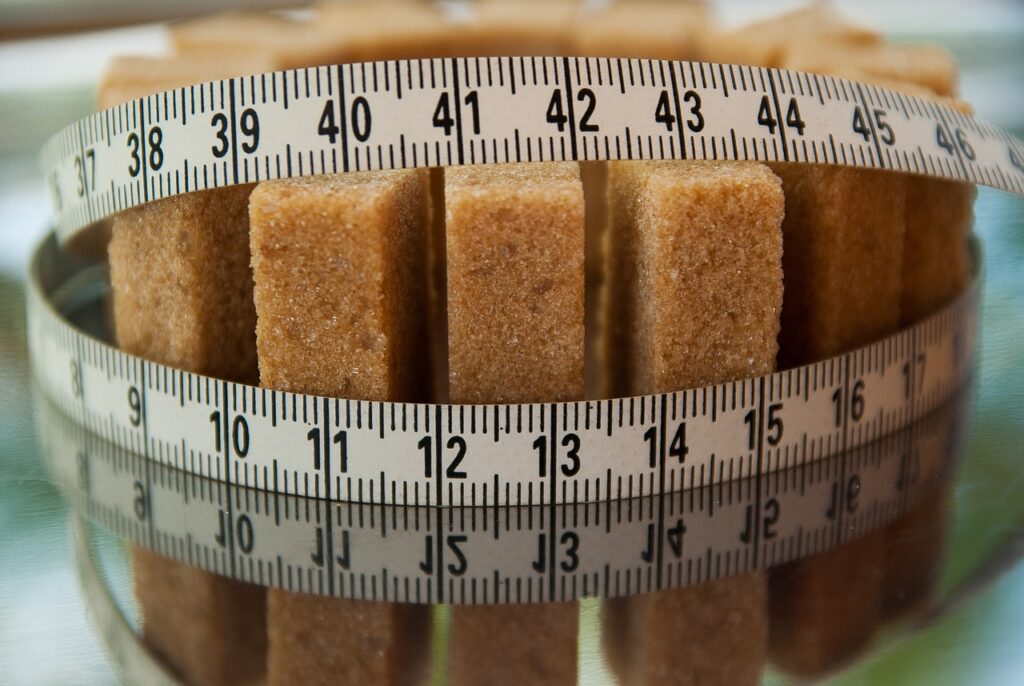


It’s important to approach a calorie deficit diet carefully, ensuring that the reduction in calories is not too extreme, which could lead to malnutrition or other health problems. A modest calorie deficit (typically 500–750 fewer calories per day) is recommended for gradual, sustainable weight loss. Always consult with a healthcare professional or a dietitian before starting any weight-loss plan.