
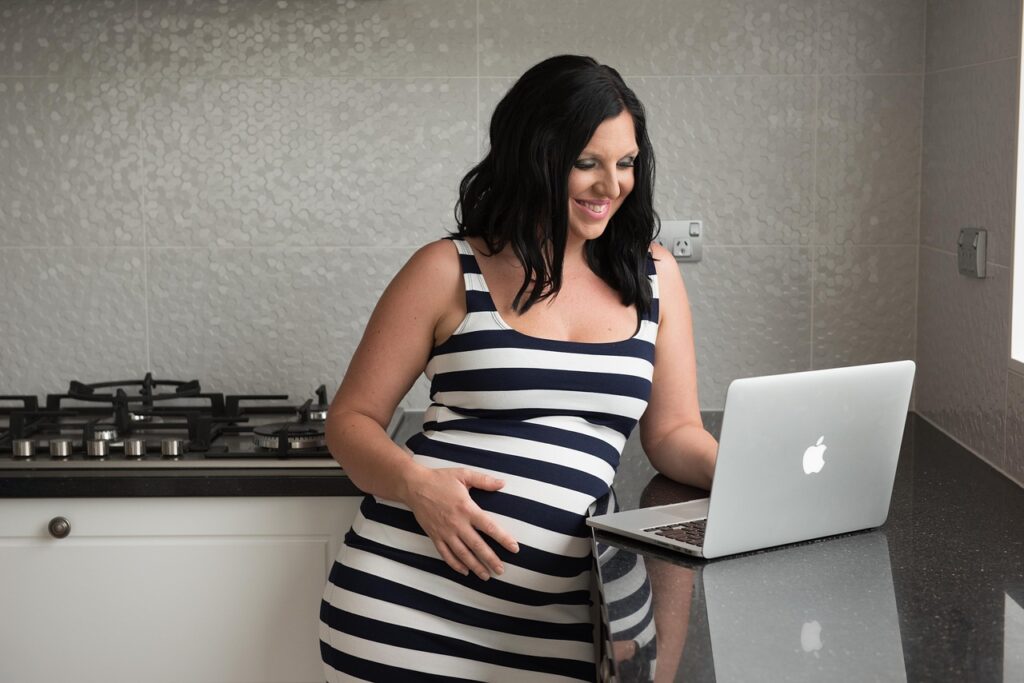
Physical Health During Pregnancy
- Nutrition: A balanced diet rich in vitamins, minerals, and nutrients is essential. Folate, iron, calcium, and protein are particularly important.
- Exercise: Moderate exercise, such as walking or prenatal yoga, helps improve circulation, reduce stress, and maintain a healthy weight.
- Sleep: Restful sleep is important for both physical recovery and emotional well-being. Hormonal changes during pregnancy can make sleeping difficult, so a comfortable sleep environment is key.
- Hydration: Drinking enough water is crucial to prevent dehydration, which can lead to complications like preterm labor.
- Prenatal Care: Regular check-ups with an OB-GYN or midwife ensure that both the mother and baby are healthy and that any issues are addressed early on.
- Avoiding Harmful Substances: Smoking, alcohol, and drug use should be completely avoided, as they can harm the baby and lead to complications.
2. Mental and Emotional Health
- Stress Management: Pregnancy can be emotionally challenging, and managing stress through mindfulness, meditation, or deep-breathing exercises can help maintain mental well-being.
- Support System: Having supportive partners, family members, or friends can reduce anxiety and provide emotional stability.
- Mental Health: It’s important to address feelings of anxiety, depression, or fear during pregnancy. Hormonal changes can sometimes contribute to these feelings, and speaking to a mental health professional can help.
- Self-care: Taking time for personal relaxation, hobbies, or activities that bring joy helps promote a sense of well-being.
3. Pregnancy Well-being Tips:
- Stay informed: Read up on pregnancy stages and what to expect. Knowledge can ease worries and promote a positive experience.
- Prepare for labor: Consider childbirth classes and create a birth plan to feel more prepared.
- Listen to your body: Pay attention to how your body feels and take breaks when needed.
Prioritizing both physical and emotional well-being during pregnancy can help ensure the health of both the mother and the baby.
Additional Tips for Exercising During Pregnancy:
Stay hydrated: Drink plenty of water before, during, and after exercise.
Avoid overheating: Dress in breathable clothing and avoid exercises in overly hot conditions.
Listen to your body: If you feel lightheaded, dizzy, or uncomfortable, stop immediately and rest
.Focus on posture: As your pregnancy progresses, your center of gravity changes. Be mindful of maintaining good posture to prevent strain on your back and joints.
Don’t overdo it: Pregnancy workouts should feel comfortable. Avoid pushing yourself too hard—aim for moderate exertion.
Pelvic floor health: Perform regular pelvic floor exercises (Kegels) to strengthen the muscles that support your growing uterus and help with labor.